
Isn’t it amazing how pixels on a screen can stir real emotions? When a game introduces a character with depth and personality, it’s almost like meeting someone new and interesting. Video game developers weave intricate stories and settings that draw us in, making characters feel just like old friends. Sure, we know they’re not real, but who cares when their adventures are so gripping?
Video games combine interactive play with storytelling, inviting players to inhabit a world where they have a say. This fusion makes characters relatable, even if they’re living in fantastical realms or time periods. The immersive nature of games, using detailed graphics and soundtracks, helps craft believable worlds. And it’s this believability, this feeling of stepping into someone else’s shoes, that hooks players and keeps them coming back for more.
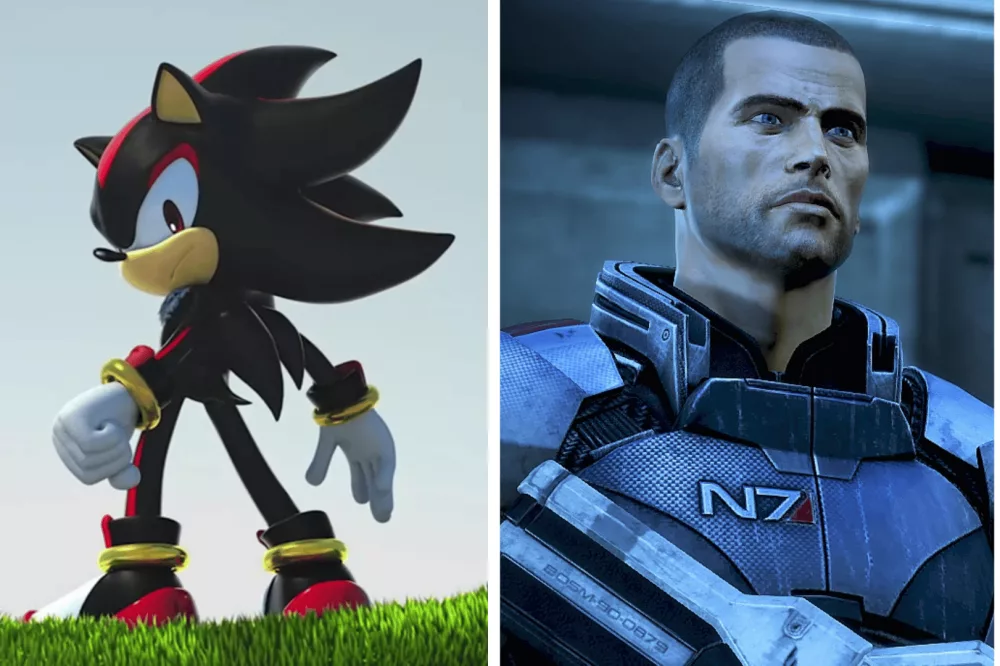
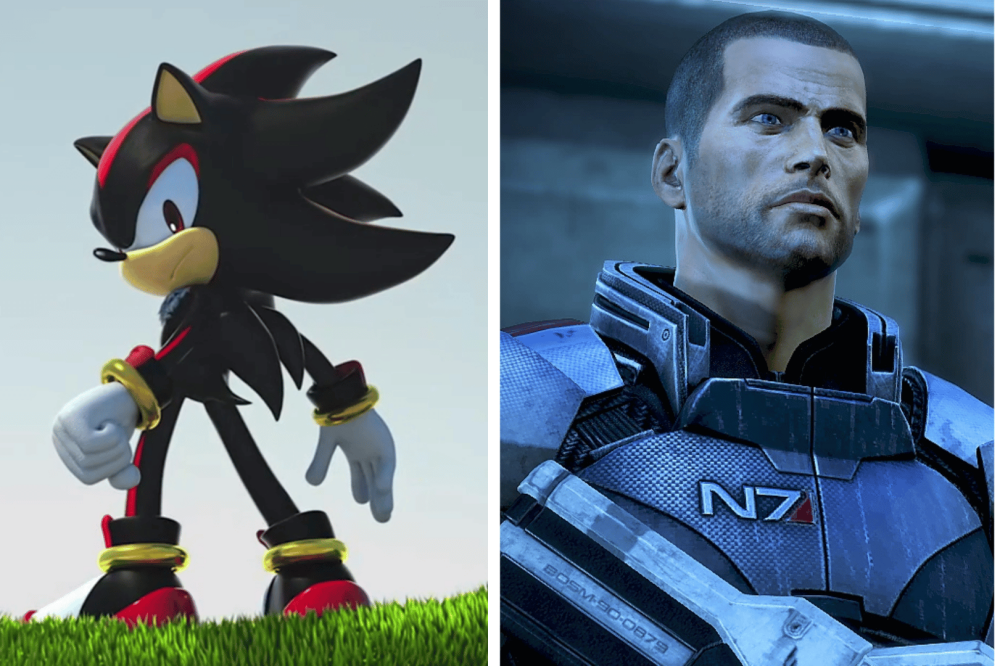
Many players have stories about protagonists who left a mark on them. Think of Shadow the Hedgehog from the Sonic games or Mass Effect’s Commander Shepard—with their struggles and victories, these characters feel almost tangible to those who guide them through their journeys. Developers carefully design these characters with compelling arcs that make us root for them, even against seemingly unbeatable odds.
Emotional connection doesn’t just happen by accident; it’s a result of thoughtful character design and narrative architecture. Games give us heroes whose challenges mirror our own life experiences, being someone we can empathize with and learn from. This shared journey, full of quests and dilemmas, creates bonds just as strong as with characters from our favorite books or movies.
Beyond the Screen: The Psychological Attachment to Video Game Characters
It’s wild how much we can care for a video game character, isn’t it? Emotional investment often creeps up on us the more time we spend immersed in their world. Gameplay isn’t just about beating the final boss or scoring points—it’s about living a life alongside these characters, making decisions that shape their digital destinies.
Emotions get involved when players see parts of themselves in the characters they control. Whether experiencing joy in their victories or sharing in their losses, these moments forge connections that feel incredibly real. Games, in a way, become virtual canvases for projecting our dreams, fears, and aspirations.
This connection extends beyond a simple player-and-character dynamic, evolving into what almost seems like a real friendship. Given the choice-filled nature of many games, players can often influence outcomes that resonate with personal ideologies. This capability strengthens the emotional bond. The reflection of our choices and identities through characters can sometimes feel more genuine than in other forms of entertainment.
However, it’s important to be aware of these attachments and keep them balanced with reality. A healthy arrangement involves recognizing the fictional nature of these connections while appreciating the emotional experiences they offer. It’s all about enjoying the ride while kicking back to reality now and then.
Balancing Reality and Fantasy: The Impact of Unchecked Devotion to Video Game Characters
Gaming brings immense joy, but watch out for the pitfalls of getting too attached to those on-screen heroes. When admiration spills over into obsession, it might lead to what psychologists call ‘parasocial relationships.’ This term describes the one-sided bond where one party invests emotionally in someone who isn’t aware of their existence.
This type of attachment isn’t inherently bad but can become problematic if not kept in check. An unhealthy parasocial relationship might lead to neglecting real-life connections and responsibilities, leading to isolation. Embracing a digital character as a best friend isn’t a substitute for the hustle and bustle of real-world relationships.
Awareness is key here.
Balancing emotional investment in games with the physical world is essential. The best way to keep things healthy? Enjoy playing but remember to take breaks and engage in social activities outside the game. It’s about preserving that sweet spot where gaming remains an exciting and rewarding hobby, enhancing rather than detracting from real life.
Keep in mind that video games should complement life, adding fun and entertainment. They offer a great retreat from stress but shouldn’t become the escape we lean on completely. Setting boundaries within your gaming routine allows you to appreciate both worlds and move smoothly between the two.
About Julianne
Julianne is the founder and writer for the blog articles here on Power Player Zone – a nurturing online space for gamers to learn more about their passion, no matter their background or identity. As an introverted female gamer for the past 5 years, Julianne strives for inclusivity in her mission to spread the joy of video games to everyone; for her, games aren’t just for fun – they allow us to gain insight into ourselves and the vibrant cultures and communities in which we live.