We’ve got a wild ride where video games and pop culture seem to be dancing together like never before. Think of gaming as more than just a hobby; it’s a driving force that’s shaping how people see the world today. From schoolyard chats to office banter, gaming lingo and tales – these all have seeped into everyday conversations, becoming a new common ground for folks of all ages.
What’s really cool is how gaming has inspired a shift in creative expression and artistic endeavors across global cultures. Artists, musicians, and filmmakers are continually tapping into the immersive worlds and narratives from games, blending them with their own mediums to create something fresh and exciting. It’s like a creative feedback loop, where pop culture fuels gaming, and gaming, in return, sparks new trends.
Let’s not forget the vibrant gaming communities out there. They’re like modern-day cultural beehives, constantly buzzing with creativity, opinions, and shared experiences. Thanks to social media, these communities influence broader cultural trends, elevating gaming from niche pastime to a powerful cultural force. Just look at phenomena like esports, or the quirky memes born from gaming references — they’re all adding layers to our understanding of contemporary culture.
All said and done, the impact of gaming on culture isn’t just about entertainment. It’s about shaping identities, building communities, and creating new cultural norms that reflect the diverse stories and experiences of those who engage in these digital worlds. So whether you game or not, it’s exciting to see how this dynamic relationship will continue to unfold.
Shaping Media: The Pervasive Influence of Digital Games
Video games have more influence on media than you might think. They’ve become the blueprint for some of the biggest blockbusters and TV shows. You find directors drawing inspiration from the rich visuals and complex storytelling in games, leading to movies that feel as immersive as playing a game.
This media transformation isn’t stopping at the big screens. Shows like “The Witcher” and adaptations of “Halo” capture audiences by building on gaming lore, creating something that feels both fresh and familiar. It’s a unique kind of crossover that’s tapping into the huge fan bases and bringing game stories to life through another medium.
Something that’s been gaining steam lately is transmedia storytelling. This involves extending a narrative, like those found in games, across multiple forms of media. Think about how a game story might start on your console and continue in a comic book or a web series. It’s about expanding the universe of a game and engaging fans in new ways.
Now, talking about cultural phenomena, “Fortnite” stands out as a game that’s more than entertainment. It’s a platform for events attracting superstars and becoming part of major pop culture moments. From virtual concerts that break attendance records to surprising crossovers with franchises like “Star Wars”, Fortnite proves digital environments can replicate and amplify real-world experiences.
Whether you’re a gamer or just love a good movie night, there’s no denying digital games have a massive say in the media landscape. It’s a creative cross-pollination that’s captivating audiences and showing the world how influential gaming has become in our media-hungry lives.
Fortnite’s Cultural Meme: More Than Just a Game
Fortnite isn’t just any game—it’s a phenomenon that’s redefining what it means to be part of pop culture today. You’re talking about a game that’s crossed every border, appealing to a wide range of players, from kids in middle school to grown-ups with serious day jobs.
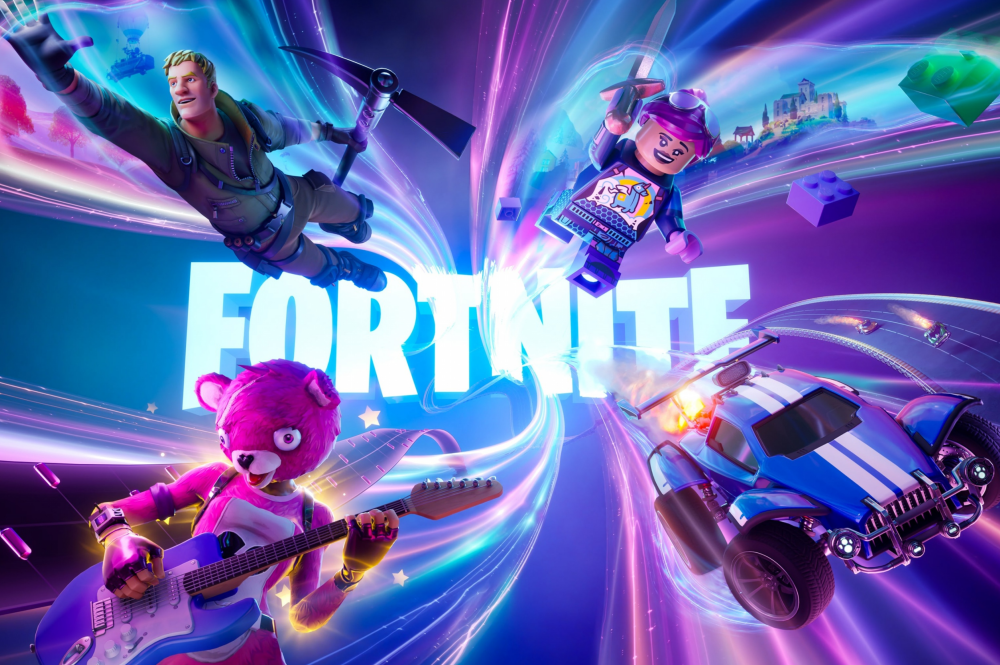
- Fresh Ideas – what sets Fortnite apart is its ability to keep things fresh. The game is constantly evolving, with new seasons, unexpected collaborations, and engaging events that have basically turned it into a cultural melting pot. One day, you’re battling others in a typical match; the next, you’re chilling with friends watching a live concert featuring your favorite artist. That kind of unpredictability is part of Fortnite’s charm, and a big reason for its massive draw.
- Cultural Events – when you look at how Fortnite does events, it’s hard not to be impressed. These aren’t just game updates; they’re full-on cultural events. Like when Travis Scott or Ariana Grande performed virtual concerts within the game, drawing millions of viewers who shared the experience live. That blurs the line between the game world and the real world, creating a shared experience that resonates beyond the screen.
- Collaborations – Fortnite also cleverly taps into collaboration, pulling in characters and elements from blockbuster franchises like “Marvel” and “DC”. This mash-up of worlds turns the game into a universal playground where fan favorites from all walks of entertainment mingle with each other.
It’s more than gaming now. Fortnite’s a stage for creativity, shared experiences, and community building. It’s a sign of how gaming can function as a cultural hub, influencing everything from fashion and music to social interaction. So if you’re ever wondering why Fortnite keeps popping up in pop culture discussions, it’s because it’s become a vibrant part of the conversation.
Is Pop Culture Mirroring Gaming or Vice Versa?
In today’s world, the lines between gaming and pop culture blur more than ever. A big question looms: Are video games shaping pop culture, or is it pop culture that’s leaving its mark on games? Maybe it’s a bit of both, creating a fascinating exchange that’s transforming how we view entertainment.
Video games are breaking free from their niche origins, merging with music, fashion, and technology.
- Fashion – look at big fashion brands collaborating with game developers to create exclusive virtual outfits. This isn’t just about looks; it’s about gaming’s influence flowing into realms traditionally reserved for pop culture icons.
- Music – it’s not just about fashion either. Musicians are releasing exclusive tracks within games, and tech innovations from gaming are sparking new trends and technologies in social media and beyond. It’s like a creative brainstorm, with ideas flying back and forth, enriching both pop culture and gaming worlds.
There’s a fresh perspective to consider: Is pop culture itself becoming gamified?
Social media incorporates gaming elements like leaderboards, challenges, and milestones to keep users engaged. This game-like approach is redefining how cultural content is consumed and interacted with.
Whether pop culture is becoming a game or games are popping into culture, the convergence is undeniable. It’s rewriting rules, sparking innovative collaborations, and continuously challenging the boundaries of what both gaming and pop culture can achieve. This fusion is not just expanding what it means to play but also what it means to be part of the cultural zeitgeist today.
About Julianne
Julianne is the founder and writer for the blog articles here on Power Player Zone – a nurturing online space for gamers to learn more about their passion, no matter their background or identity. As an introverted female gamer for the past 5 years, Julianne strives for inclusivity in her mission to spread the joy of video games to everyone; for her, games aren’t just for fun – they allow us to gain insight into ourselves and the vibrant cultures and communities in which we live.