
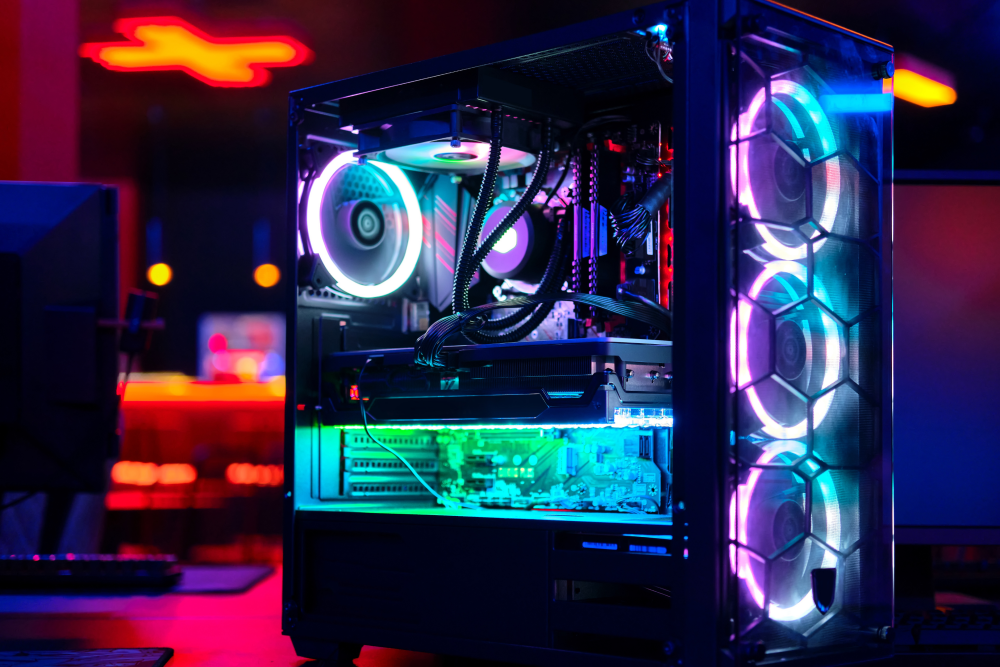
Building your own gaming PC isn’t just a badge of geek pride; it’s a smart financial move if you play your cards right. Many folks assume that whipping up a PC from scratch is something only wizards do. Truth is, it’s quite doable…
…even if you aren’t a computer expert or knee-deep in tech every day!
One big question that pops up is whether it’s actually cheaper to build it yourself than to snag a pre-built one from the shelves. Spoiler: nine times out of ten, you might end up with better bang-for-your-buck when you go DIY. Sure, assembling those parts might seem like a puzzle at first, but in the end, it’s your wallet that smiles.
On the plus side, a custom build lets you whip together a machine with just what you need – no bloatware hogging your RAM. Customizing means you choose which components serve you best and which corners can be cut. Yes, that might involve a bit more research time, but hey, learning is power!
The flip side? There’s more to consider than just the sticker price of parts. Factor in things like warranties, support, and that ever-looming potential for user error if you hook stuff up wrong. Plus, don’t forget you might need tools like screwdrivers and thermal paste. So, while buying pre-built PCs could seem streamlined, it sometimes hides less efficient components.
It’s not all about the money, though. There’s a unique satisfaction from watching something you pieced together light up for the very first time.
It’s like magic, except real.
Plus, if a part of your rig falters, you’ll know exactly what’s up. Building your own gives you not just a box of circuits, but a crash course in tech mastery.
Decoding Budget Builds: How Cheap Can You Go?
It’s tempting to think a gaming rig needs to cost a small fortune, but a solid setup doesn’t always need breaking the bank. Folks asked me whether a $500 PC can run games like “Fortnite”. Well, the good news is it can, with some compromises along the way. Consider these factors…
- CPUs & GPUs – when you’re shopping on a budget, focus on components like the CPU and GPU since they’re the workhorses for pushing pixels. Entry-level processors and affordable graphics cards have come a long way and can handle popular games on lower settings pretty handily.
- Refurbished or Last-Gen – one of the essentials in a budget build is getting clever with your choices. Think refurbished parts or last-gen components that offer great performance while shaving off a good chunk of costs. It’s all about maximizing what you have without feeling short-changed on your gaming experience.
- Power Supply & Cooling – however, don’t skimp on critical aspects like a decent power supply or adequate cooling. These are your safety net ensuring your rig runs smoothly and efficiently. Falling short here can lead to crashes or overheating nightmares.
Expect to manage expectations, though. With a budget PC, you might not max out settings, but you’ll certainly still enjoy gaming. Performance will be lower versus high-end systems, but if you’re in it for the fun rather than the pixels, it’s a fantastic way to start.
For those fearing technical hiccups, remember today’s tech landscape is ripe with online tutorials and communities eager to help. The challenge is part of the journey, a path where each step is a lesson in thoughtful compromise and creative fixes.
Establishing a Realistic Budget for a Gaming PC
Figuring out how much to spend on a gaming PC can feel like a juggling act, trying to balance needs versus wants. The trick is to know your style—are you just a casual wanderer in gaming lands or a hardened warrior seeking top-notch performance?

- $500 Budget – for those just dipping their toes into the world of gaming, a modest budget can still net you plenty of fun. Even with a cap of about $500, you’re not out of options. Certain configurations can offer reasonably snappy performance for many popular titles, though you’ll likely need to play on lower graphics settings.
- $700 Budget – scale up to around $700 and you’re entering a zone where you can achieve a sweet spot of price versus performance. This is where you can start opting for slightly beefier components like more RAM or a better graphics card to enhance your gaming immersion.
- $1,000 Budget – now, talking about the $1,000 bracket, you’re walking into ‘serious gamer’ territory. Here, you’re equipped to tackle most games with commendable settings, even if you might not hit ultra on every latest release. If you’re someone who loves keeping up with gaming tech without going overboard, this range offers a balanced approach to enjoying high-end gaming while being budget-conscious.
It’s important to remember that a realistic budget is less about the numbers on paper and more about the experience you’re after. Whether you’re on a budget or ready to splurge, understanding what each level offers helps you make informed decisions instead of spur-of-the-moment purchases.
Remembering how rapidly hardware evolves is crucial. Accessories and minor upgrades can sneak into your budget, so let that flexibility guide you when mapping out your spend.
Evaluating Worth: Is a $1,000 Gaming PC a Good Investment?
Aiming to get a decent bang for your buck with a $1,000 gaming PC? You’re in a pretty sweet spot if that’s your target. This spend doesn’t just open up the doors to running games well—it gives you the power to future-proof your setup a bit.
Performance-wise, a $1,000 budget gets you hardware that can handle most games at high settings smoothly, making it a solid deal for gamers wanting to enjoy modern titles with good graphics. You’ll likely find yourself in an envious position when you compare performance with cost over time.
One of the best things about this price range is the balance between current prowess and longevity. Spending here might mean your rig survives a few more tech cycles, delaying major upgrades for a bit longer than budget builds.
When you break it down by frames per second or what each game experience costs, a $1,000 build is often economical. And then comes the fan feedback—lots of gamers rave about the balance achieved with this range, noting the noticeable boost in gaming pleasure.
Nailing the perfect mix of components can produce a satisfying build that meets hefty demands. It ensures great gameplay without feeling extravagant yet still avoids the drag of quick obsolescence.
About Julianne
Julianne is the founder and writer for the blog articles here on Power Player Zone – a nurturing online space for gamers to learn more about their passion, no matter their background or identity. As an introverted female gamer for the past 5 years, Julianne strives for inclusivity in her mission to spread the joy of video games to everyone; for her, games aren’t just for fun – they allow us to gain insight into ourselves and the vibrant cultures and communities in which we live.